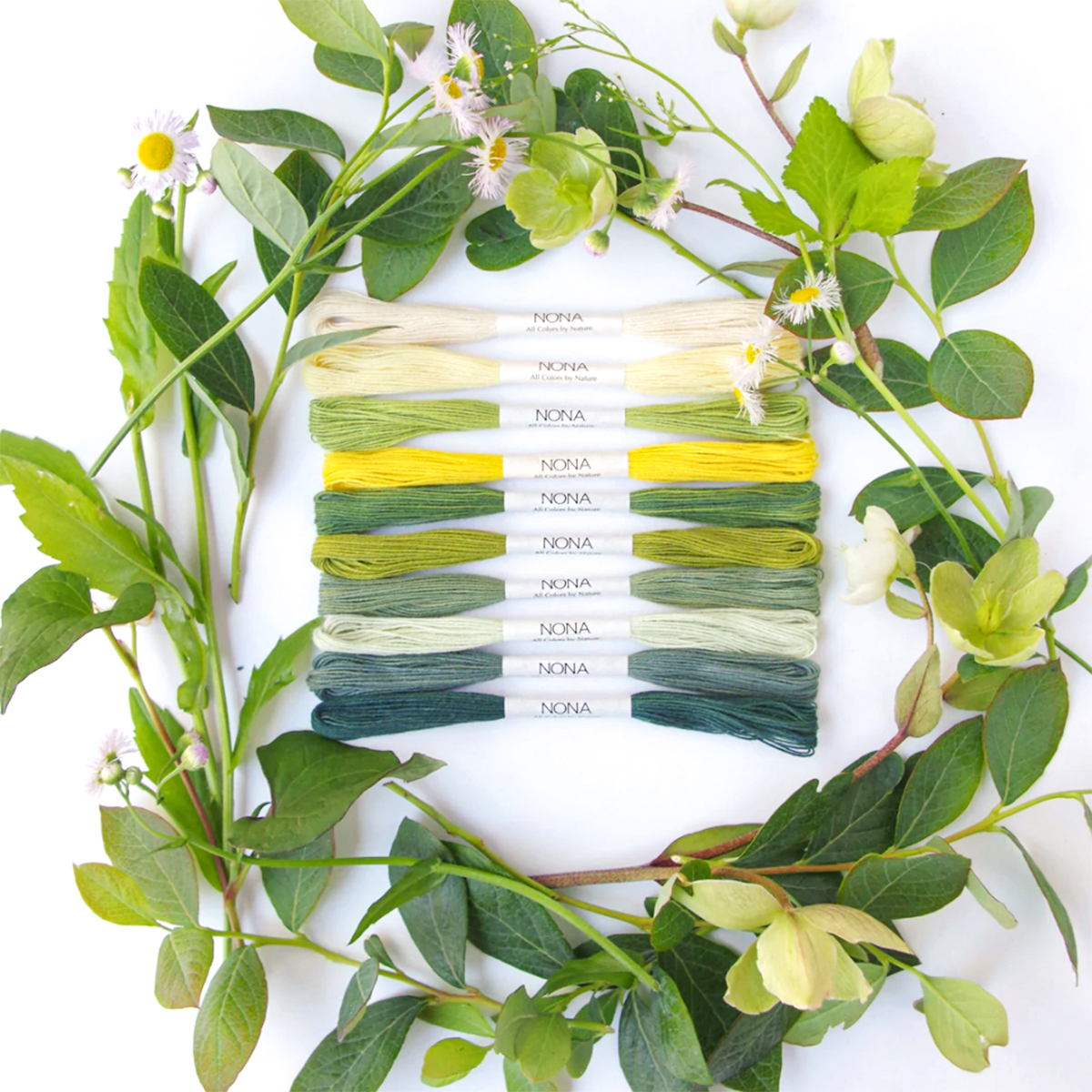
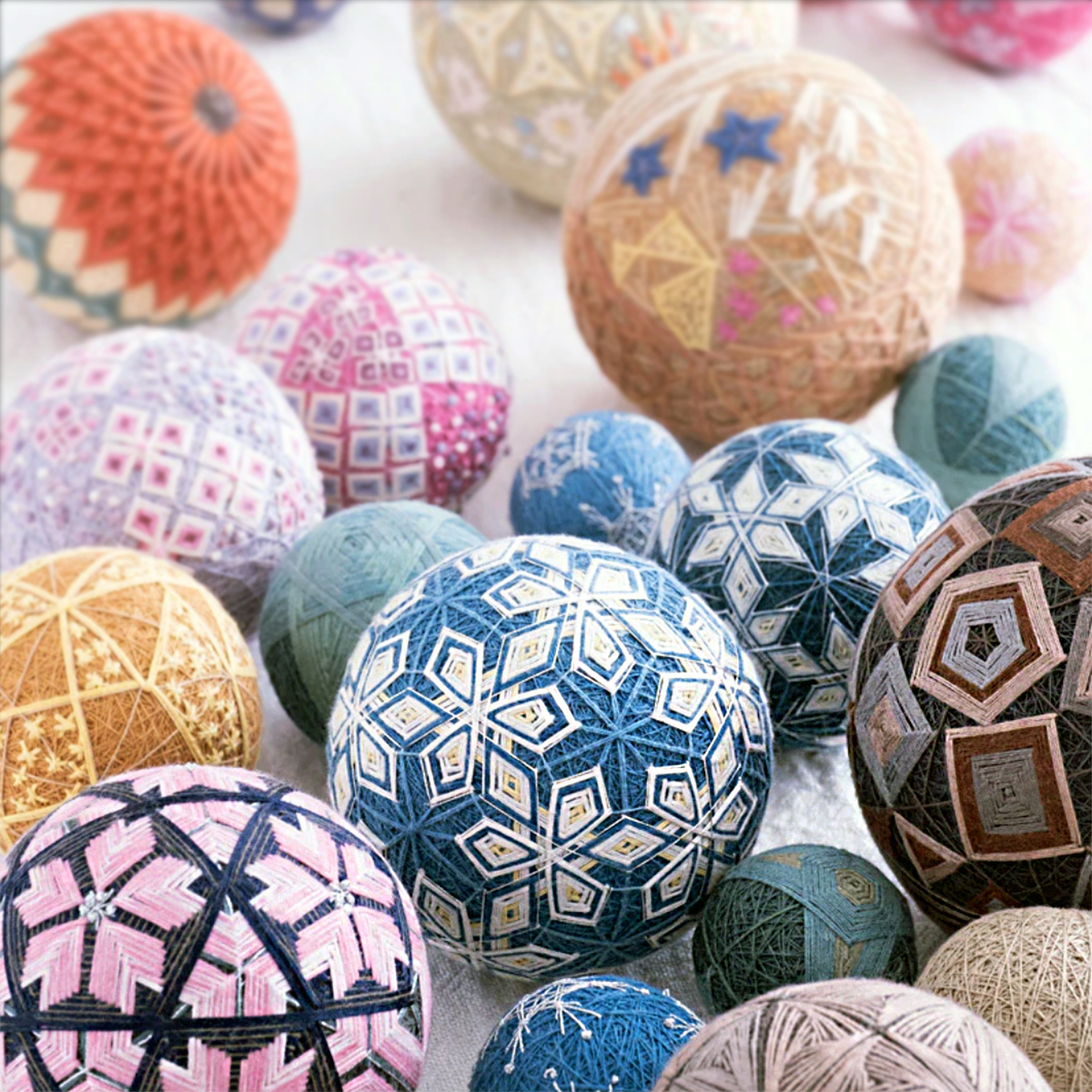
NONA threads are handmade in Nishiogikubo, Tokyo, and hand-dyed using natural materials grown and harvested locally—capturing the beauty of Japan in every skein. Inspired by the traditional art of Temari—thread-wrapped balls adorned with intricate geometric patterns and often given as gifts symbolizing friendship and loyalty—these threads honor a rich history of craftsmanship. Perfect for Temari, sashiko, and embroidery, they bring depth, meaning, and beautifully nuanced color to every project.
The Dye Process
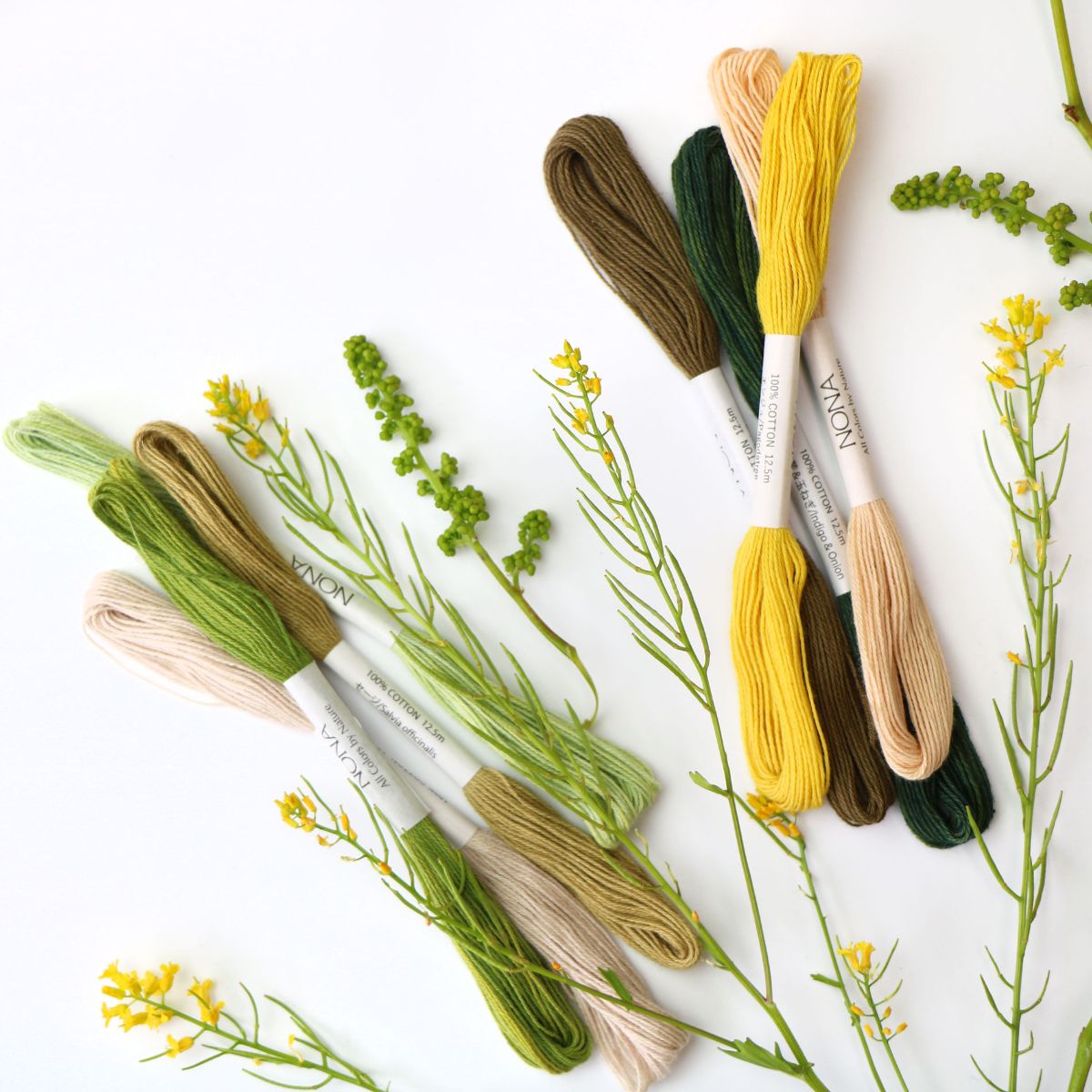
NONA’s threads are naturally dyed using organic materials, giving each skein a unique, earthy palette. Many of the dye sources are grown and harvested locally in Japan, bringing a sense of place and tradition to every strand. Below are a few examples of the materials used and the colors they create.
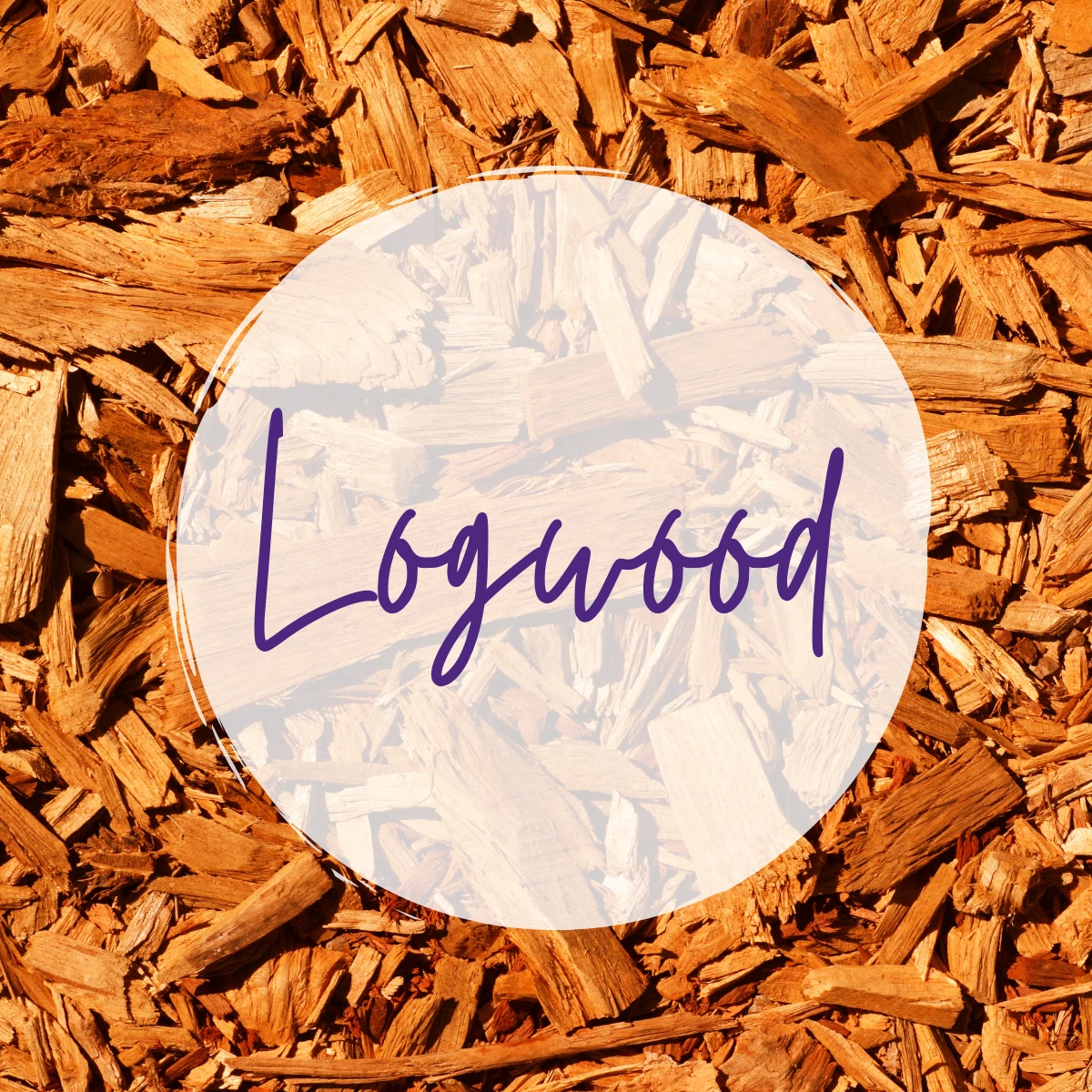
Logwood Dye is made from the wood of the Logwood tree. This tree is native to Mexico, Central America, and parts of the Caribbean. Logwood produces shades ranging from rich, deep purple to orchid blue and even black. This rich dye has been used throughout history, as far back as the 16th century, to dye purple and black cloth for European aristocracy.
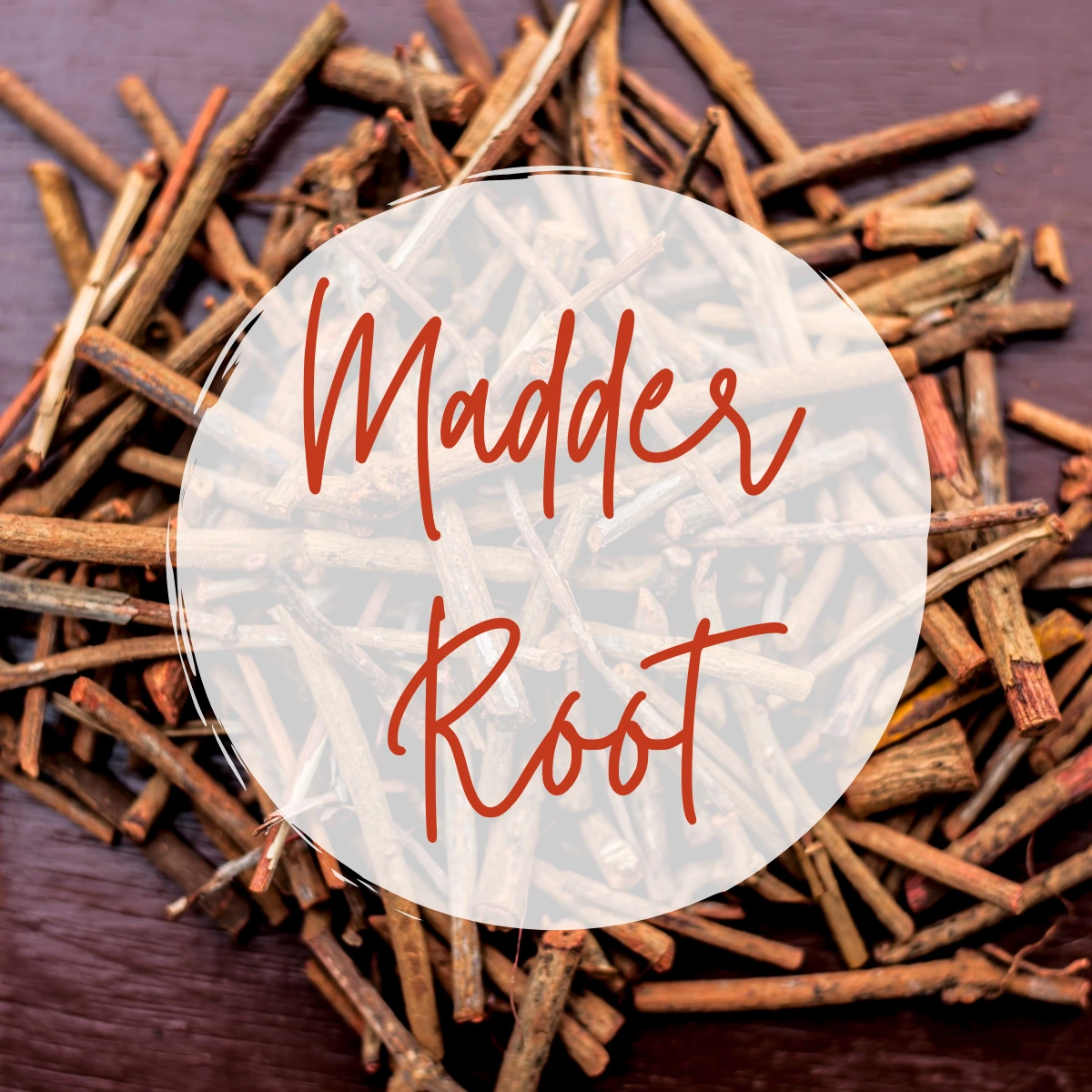
Madder Root is used to create red, mulberry, orange, and blush pink tones. The dye becomes richer as the roots grow older, so many roots are harvested after at least three years. Madder is considered one of the most ancient natural dyes, as archaeologists have found traces of the dye in Tutankhamen's grave (1350 BC).
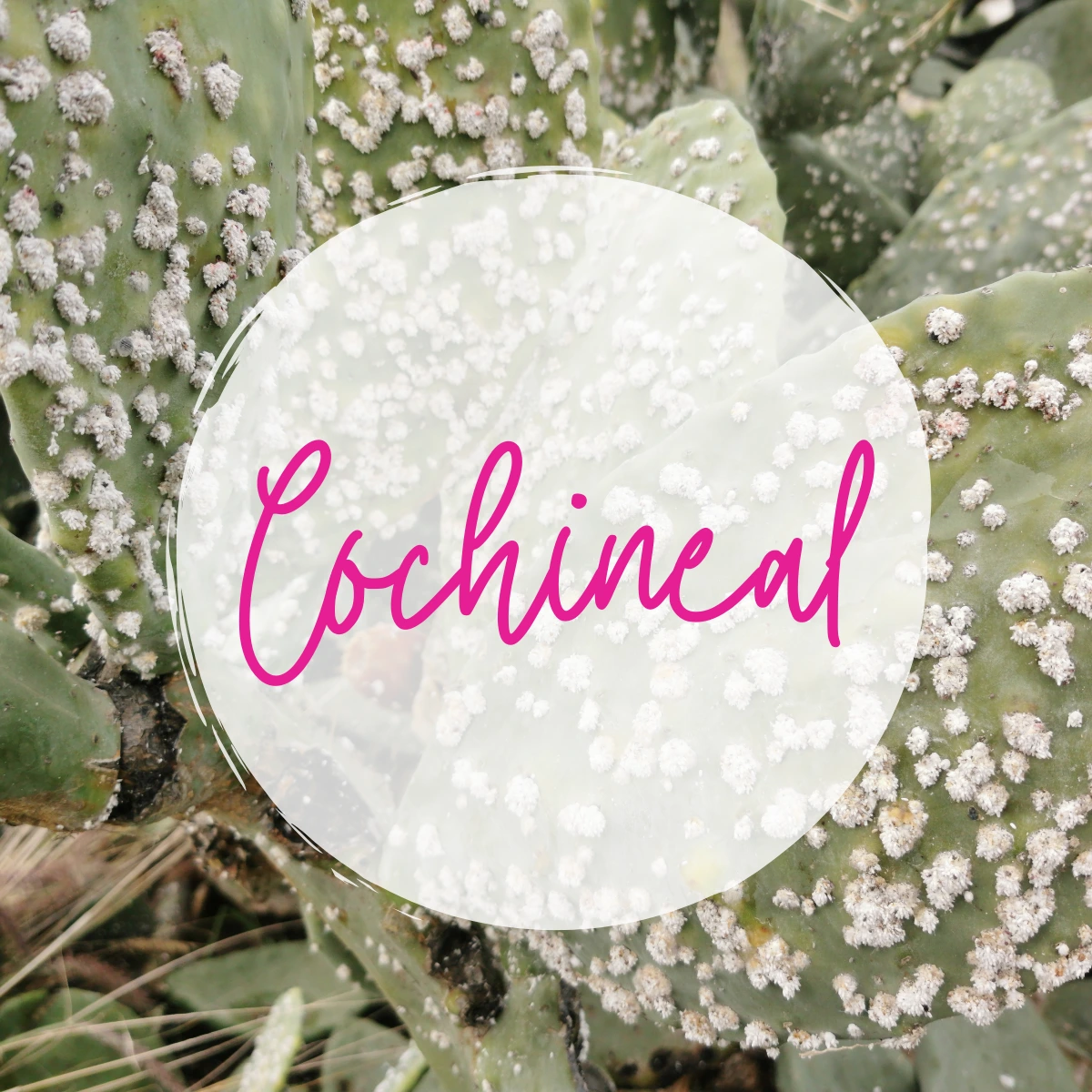
This fabulous fuchsia, red, and purple dye is not made from plants, but insects! The Cochineal bugs are native to tropical and subtropical America and can be found feeding on prickly pear cacti. The Carminic Acid produced by the insects is what makes the rich dye color. Carmine from Cochineal insects is also commonly used as a colorant in food and makeup.
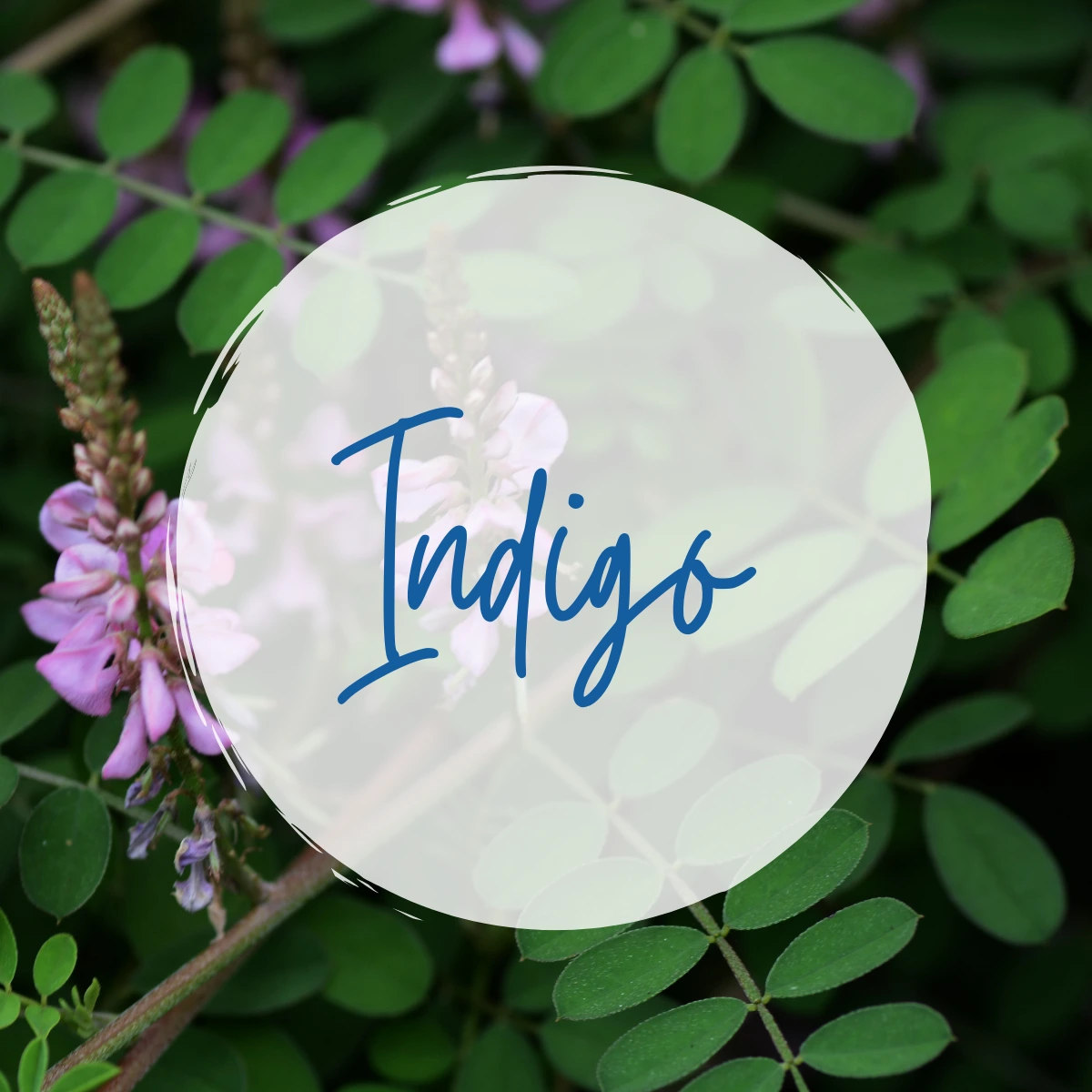
Indigo dye is well known today for its deep, clear blue color. This dye has been used for centuries in many Asian countries and also in ancient civilizations. The oldest known fabric dyed with Indigo dates back 6,000 years. Although many plants contain Indigo, Indigofera Tinctoria is one of the original sources of the dye.
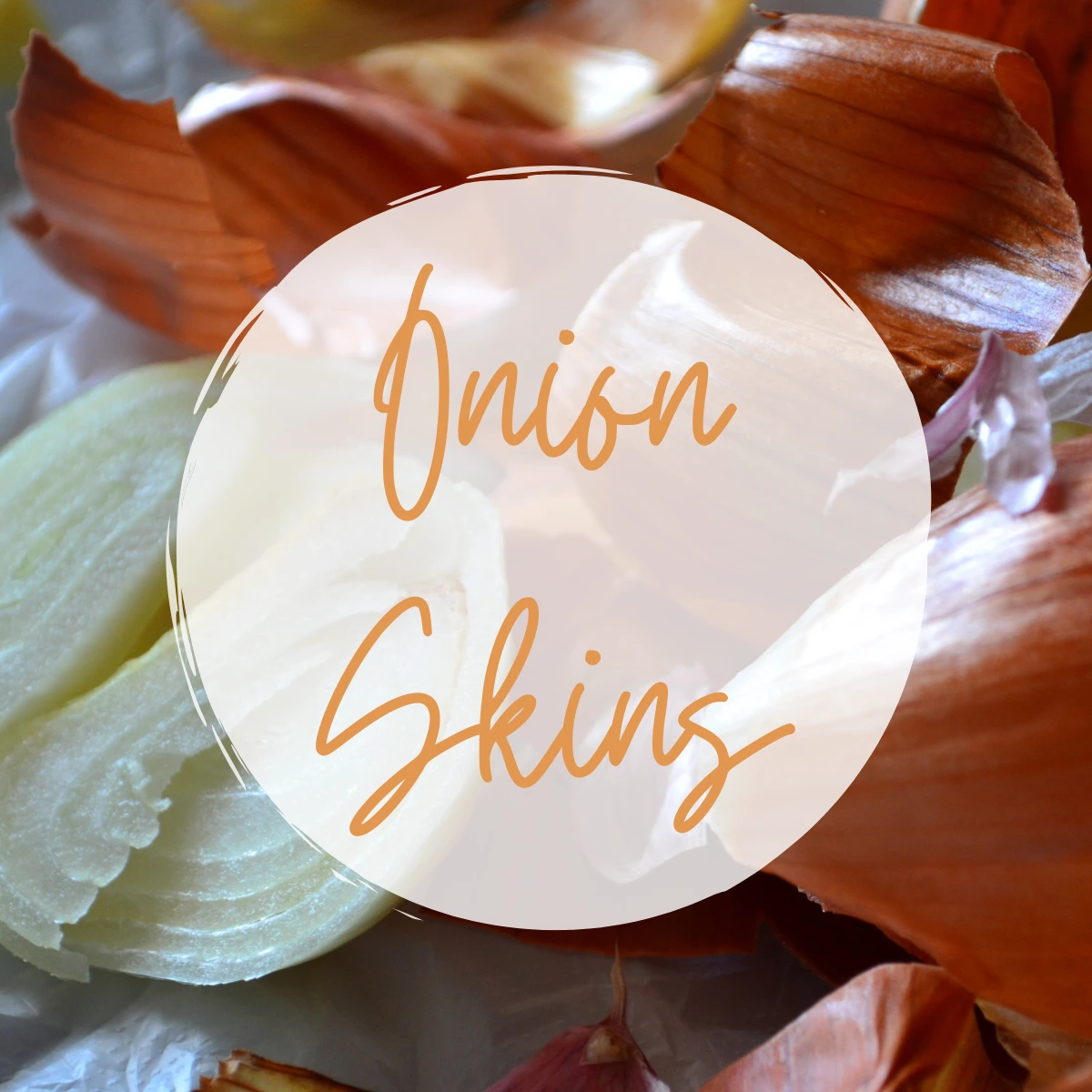
Even the skins of onions that many of us discard can produce beautiful, earthy colors. Onion skins are naturally rich in tannins, which allows the color to bind to the fabric without any additives. Colors ranging from orange to purple to brown can be achieved with the different colors of onion skins.
What earthy creation will you bring to life with NONA Natural Dyed Threads?