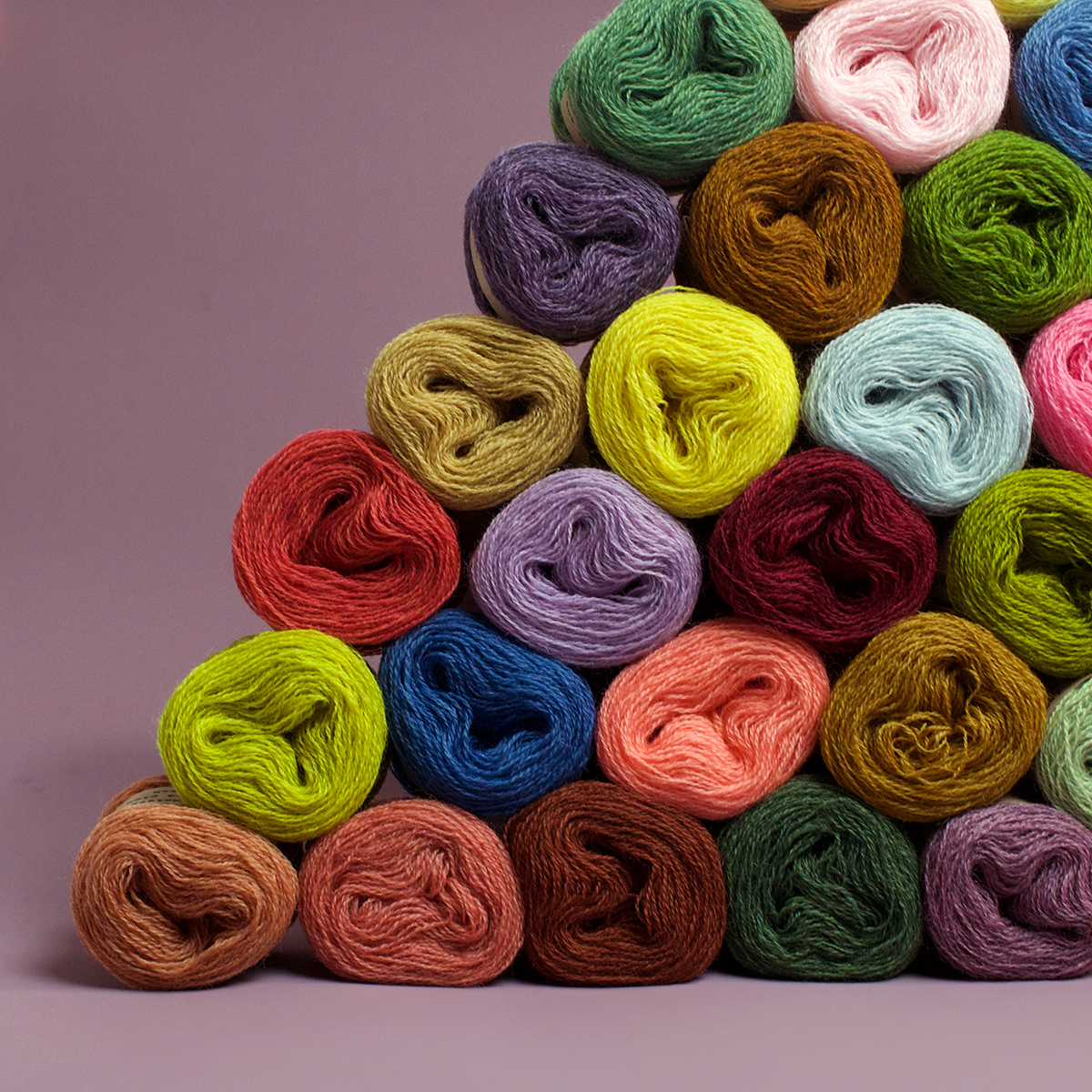
There is something especially beautiful about color that begins in nature.
Naturally dyed threads and yarns get their character from botanical sources such as roots, leaves, flowers, bark, and other plant materials. Depending on the dyestuff, fiber, water, preparation, and dye bath, a single plant can produce an incredible range of colors. Madder, for example, can create shades ranging from warm orange and coral to glowing reds, while indigo is treasured for its unmistakable blues.
Take Pride in Stitching Natural
How Does a Plant Become a Thread Color?
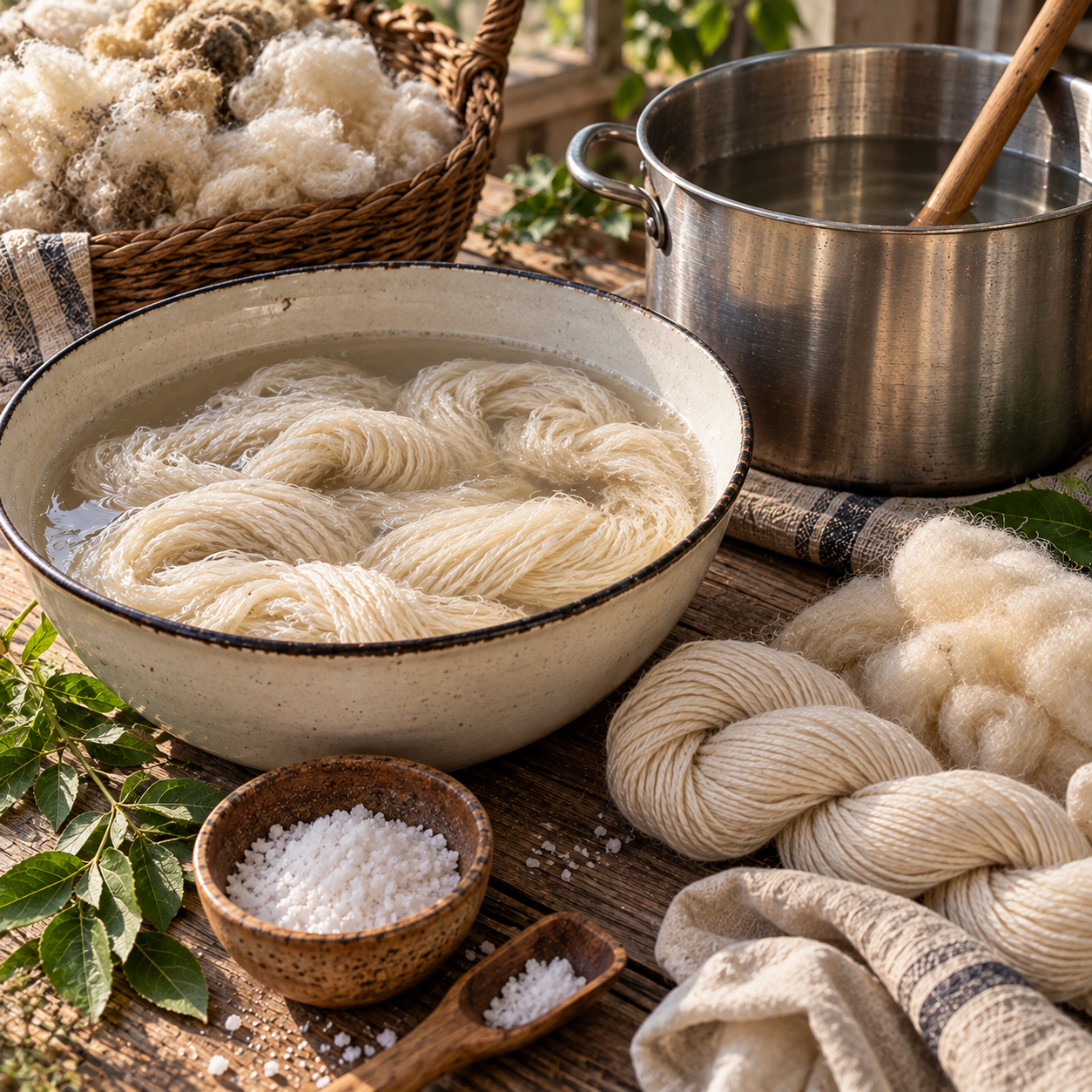
The process begins by preparing the fiber so it is clean and ready to receive color. For many natural dyes, the fiber is then treated with a mordant, which helps the natural color bond to the fiber and remain vibrant over time.
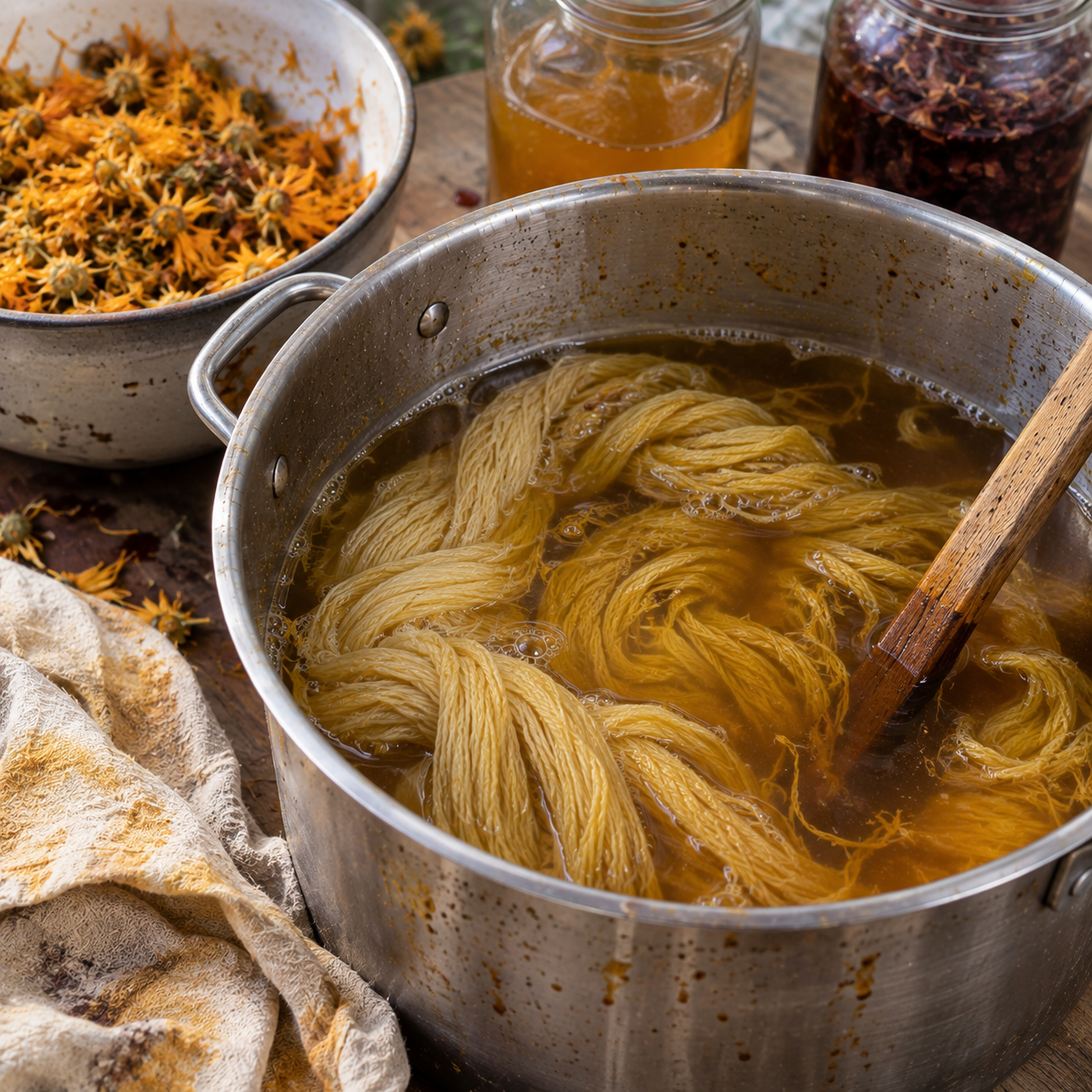
Next comes the magic. Plant material or natural dye extract is used to create a dye bath, and the prepared threads or yarns are introduced to the color. Temperature, time, water chemistry, fiber type, and even small changes to the process can influence the final shade. That beautiful variability is part of what makes naturally dyed fibers so special.
No Two Are Quite the Same
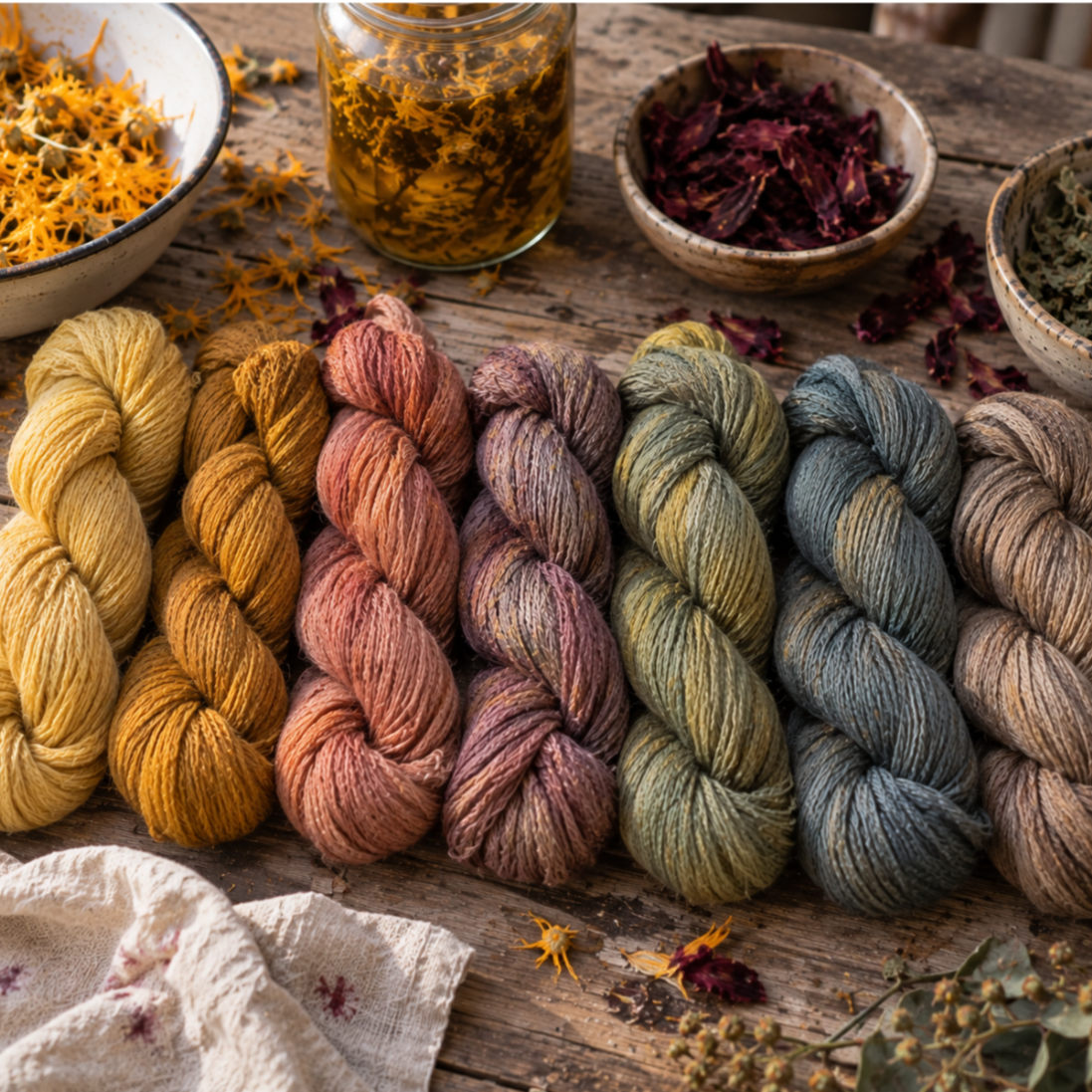
Unlike perfectly standardized commercial color, naturally dyed fibers celebrate variation. One skein may be a little warmer, deeper, softer, or more variegated than another. Those subtle differences give each thread and yarn its own character and make every stitch feel just a little more connected to the natural world.
Connect with Nature with our NEW Natural Dyed Threads!
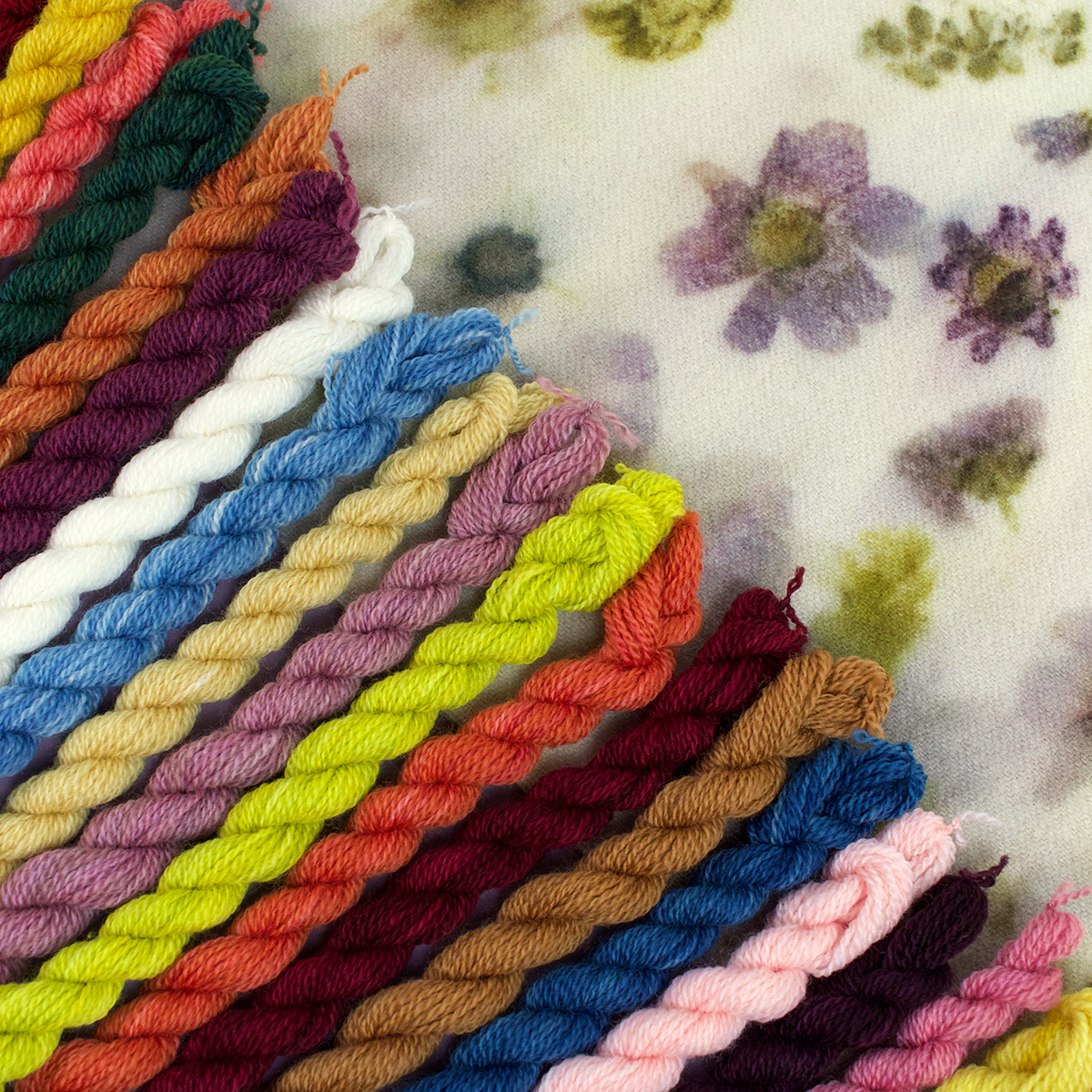
All New Natural Dyed Wool Floss
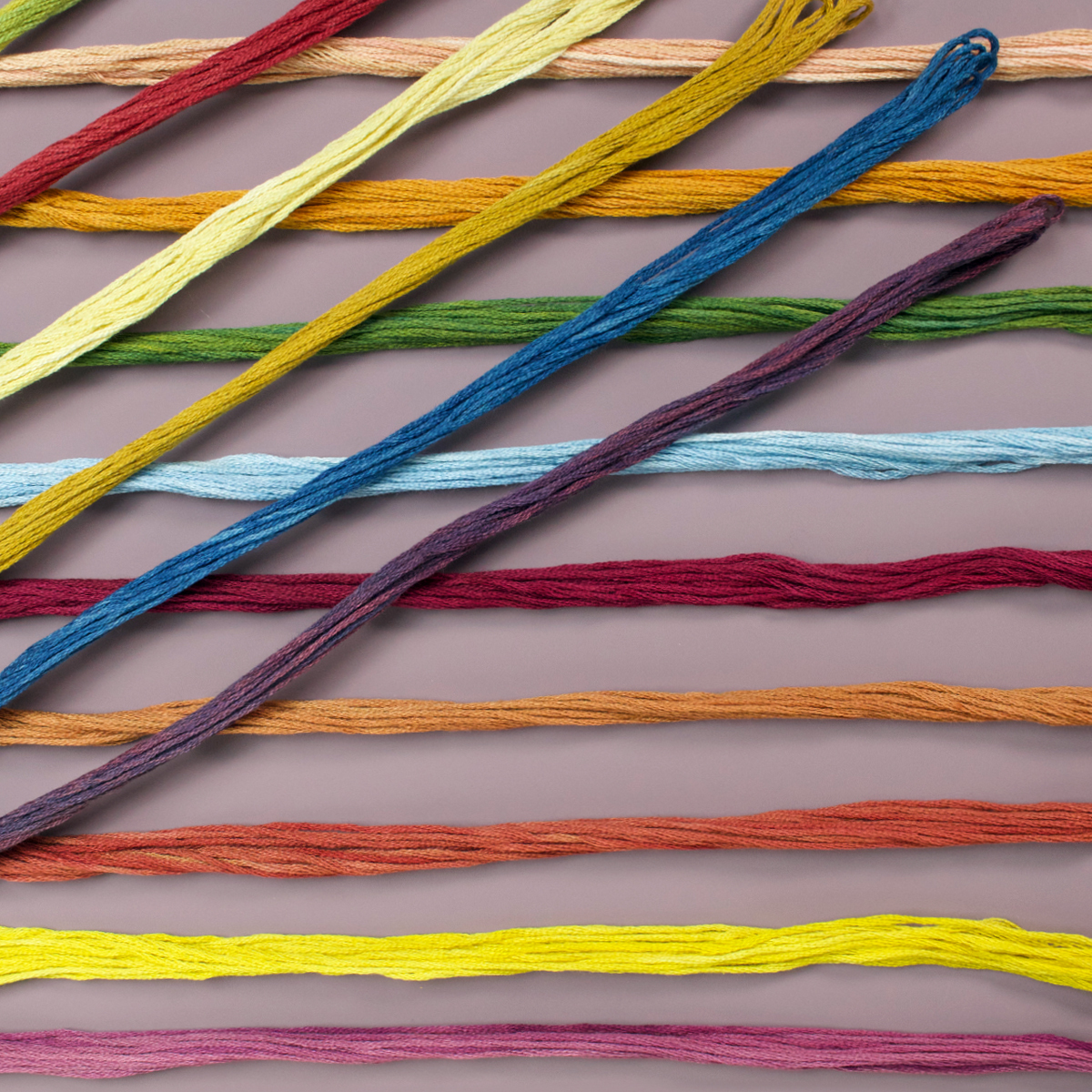
All New Natural Dyed Cotton Floss
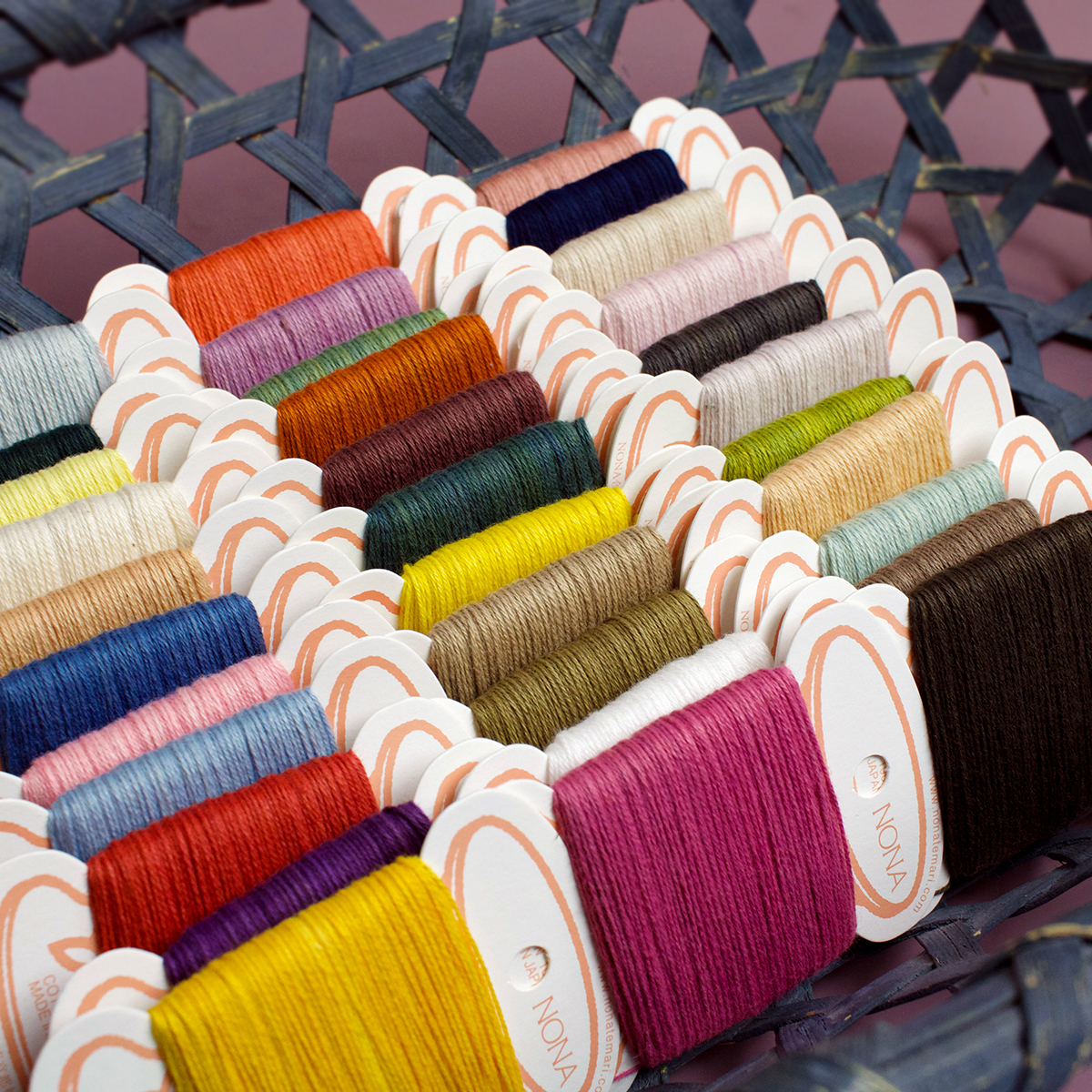
Natural Dyed Threads, Now on Easy to Use Cards